

Energy Performance Certificate (EPC)
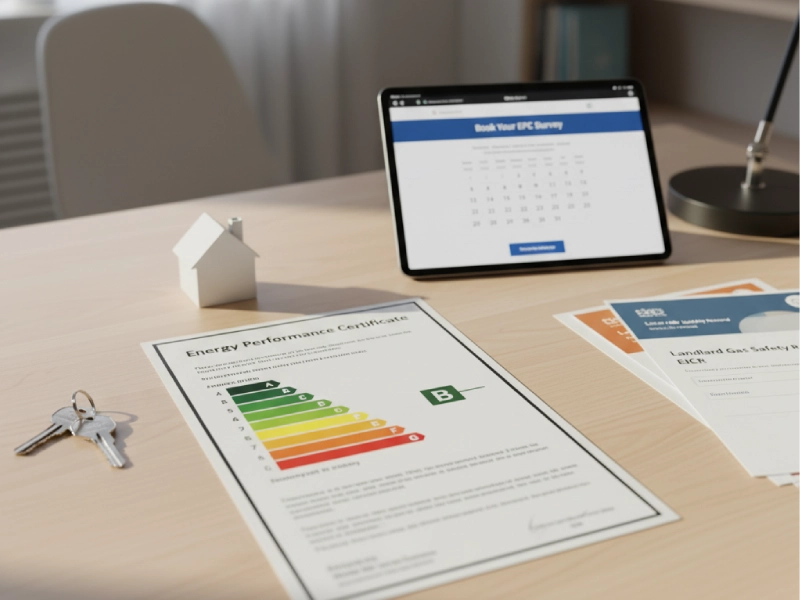
Whether you are selling or letting a property, you must have a valid Energy Performance Certificate (EPC). An EPC provides an indication of how much it will cost to heat and power a property. It also includes recommendations for energy-efficient improvements, the estimated cost of carrying them out, and the potential savings.
EPCs became a legal requirement in England, Wales, and Northern Ireland in 2007, and in Scotland in 2009.
You must book an EPC within seven days of marketing a property for sale or rent, and the certificate must be provided within 28 days. Failure to make an EPC available to prospective buyers or tenants can result in fines of up to £5,000.
To ensure landlords remain compliant, Proprtyhub works alongside accredited energy assessors across the UK.

Gas Safety Certificate (CP12) & Boiler Servicing
A gas safety certificate known as CP12 is Having a Gas Safety Certificate verifies the safety of your gas appliances and connections in your property. This is achieved through a thorough inspection by a qualified Gas Safe registered engineer who checks all your gas appliances and connections to ensure they are functioning properly.This version clarifies the purpose of the certificate and emphasises the role of the qualified engineer in the process. It also uses simpler language for easier understanding.
Electrical Safety Certificate (EICR)
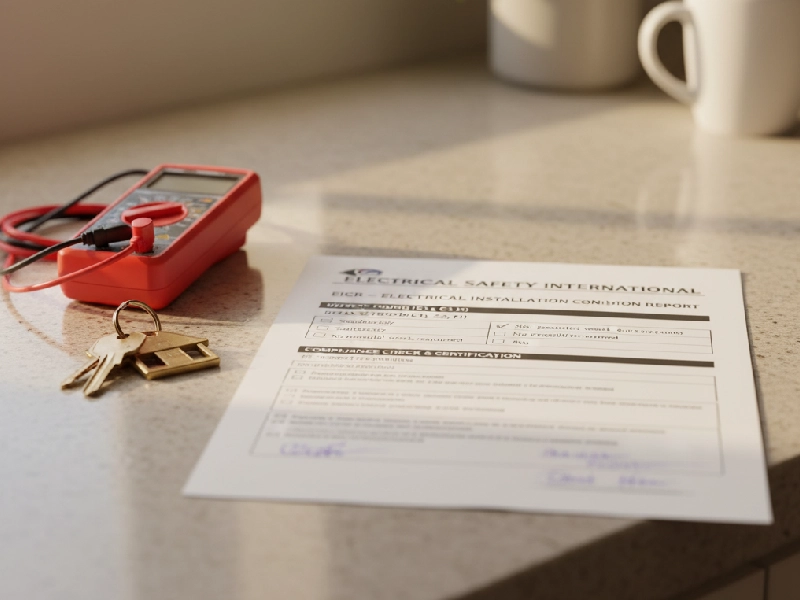
An Electrical Installation Condition Report (EICR)-previously known as Fixed Wire Testing-is a detailed assessment of your property’s electrical systems. A qualified and skilled electrician inspects your electrical installations to ensure they are safe, compliant, and free from hazards such as fire risks or electric shocks.
An EICR will confirm:
- Whether your electrical circuits are in good condition and safe to use
- If there is any risk of electric shock
- Whether any defective or unsafe electrical work has been carried out
The Electrical Safety Standards in the Private Rented Sector (England) Regulations 2020 require landlords to have an EICR carried out at least every five years. These regulations came into force on 1 June 2020 and apply to all new tenancies in England from 1 July 2020.
Landlords must also provide a copy of the EICR to their tenants and supply one to the local authority if requested.
Frequently Asked Questions
EPC FAQ's
-
What is an Energy Performance Certificate (EPC)?
An EPC is an assessment of the energy efficiency status of a residential or commercial property. It identifies the current energy performance and highlights potential improvements that can reduce energy usage, lower utility bills, and decrease CO₂ emissions.
-
How much does an EPC cost?
Prices start from £79, depending on the size and location of the property. The average EPC cost with ProprtyHub is £79 including VAT.
-
When do I need an EPC?
You need an EPC if you plan to sell, let, or assign a lease on a property. The EPC must be arranged before marketing the property and made available before contracts are exchanged. EPCs are valid for 10 years.
-
What are the penalties for not having an EPC?
- Residential property: Fines of around £200 for not providing a valid EPC.
- Commercial property: Fines of up to £5,000 for a sale, or up to 12.5% of annual rental income for a let or lease.
-
Does a shared-ownership property need an EPC?
Yes. Shared-ownership resale properties require an EPC when selling or staircasing.
-
What other services do you provide?
ProprtyHub offers property sales, lettings, auctions, and property management services. For more details, visit proprtyhub.co.uk.
-
What is the minimum EPC rating required for letting?
Since 1 April 2018 for new tenancies (and since 1 April 2020 for all existing tenancies), landlords cannot legally rent out a property with an EPC rating of F or G, unless an exemption has been registered.
Gas Safety FAQ's
-
What is a Gas Safety (CP12) Certificate?
A CP12 certificate is issued by a Gas Safe registered engineer following a successful inspection of all gas appliances and flues. It confirms that the appliances are safe and meet legal requirements.
-
Who needs a CP12 certificate?
All UK landlords renting out properties with gas appliances-including houses, flats, and HMO-must legally hold a valid CP12.
-
What does the certificate cover?
Checks include:
- Boilers
- Gas cookers and fires
- Flues and chimneys
- Ventilation
- Gas pipework and connections
-
How long is a CP12 certificate valid?
It is valid for 12 months from the issue date. Any repair work required must be completed before a new certificate is issued.
-
Who can perform a CP12 inspection?
Only Gas Safe registered engineers.
-
What happens if I don’t have a CP12?
It is a criminal offence. Landlords may face prosecution, financial penalties, and possible rent repayment orders.
-
Who pays for the CP12 certificate?
The landlord is typically responsible. This should be clearly stated in the tenancy agreement.
-
What if repairs are required after the inspection?
The engineer lists faults on the certificate. The landlord must ensure repairs are completed promptly by a qualified professional.
-
Do I need a CP12 for a new boiler?
Yes. All properties with gas appliances require annual gas safety inspections.
EICR FAQ's
-
What do the regulations require?
Landlords must have electrical installations inspected and tested at least every 5 years by a qualified and competent person.
-
When did the regulations take effect?
- 1 July 2020: New tenancies
- 1 April 2021: Existing tenanciesk
-
When must the report be given to tenants?
- To existing tenants: within 28 days of inspection
- To new tenants: before they move in
- To prospective tenants: within 28 days of a written request
-
What if the report is unsatisfactory?
Urgent remedial work must be completed within 28 days, or sooner if the report specifies.
-
What happens if I don’t comply?
Local authorities can impose fines of up to £30,000.
-
What are the unsatisfactory codes?
- C1: Danger present - immediate action required
- C2: Potentially dangerous - urgent remedial work required
- FI: Further investigation needed
-
What is the satisfactory code?
- C3: Improvement recommended
-
Do periodic tenancies require a new report at renewal?
Some statutory periodic tenancies beginning between July 2020 and April 2021 may require an EICR at the start. However, a change of tenant alone does not invalidate an EICR.
-
Do HMOs need an EICR?
Yes. Previous legislation was replaced on 1 June 2020, meaning HMOs must follow the same rules.
-
Does failing to give the EICR to tenants affect Section 21?
No. Under current regulations, it does not prevent serving a Section 21 notice.
.png)

Need Legal Support for Your Property Transaction?
Our dedicated team is here to guide you through every legal requirement with confidence and clarity.